- Mumbai's 24-hour hectic life disrupts this rhythm, resulting in people getting less hours of sleep every night and taking away the rest during Saturday-Sunday.
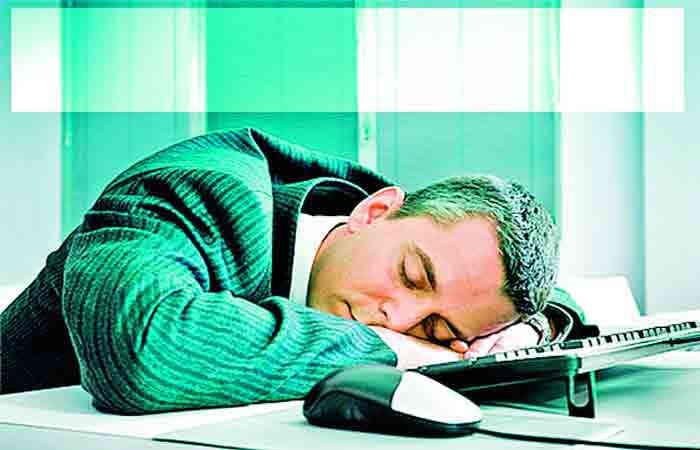
If you get less than five hours of sleep a night, be careful, as this will increase your weight by five kilograms in a year and you will sooner or later be diagnosed with this century's leprosy diabetes, according to a recent US study. The health-equation between sleep and diabetes was discovered last week in a study conducted by Bridham and Women's Hospital at Harvard University in the United States.
A six-week survey of 21 healthy individuals was published in the scientific journal Science Translational Medicine, which noted how many hours each person slept, what activities they did and what they ate.
The study also found that people who slept less than five hours a night and worked night shifts were more likely to develop diabetes faster than those who worked during the day.
People should usually get eight hours of sleep every night, then work eight hours and allocate the remaining eight hours for recreation. But Mumbai's 24-hour hectic life disrupts this rhythm, resulting in people getting less hours of sleep each night and depriving themselves of rest during Saturday-Sunday, says Dr. Krishna Kumar, a well-known endocrinologist in the city and a consultant at Lilavati Hospital. Shashank Joshi said.
Researching the link between sleep and diabetes in Mumbai, Joshi said that the fast pace of life in the city reduces people's sleep and working during weekends further disrupts the cycle.
Dr. Joshi's research from Harvard University has also shown the opposite, that people with diabetes can get less than five hours of sleep. The sleep habits of 60 diabetics revealed that about 4 percent of them slept less than five hours a night.
Entrepreneurs under the age of 30 and those pursuing careers in the corporate sector were found to have the least sleep in the city. His findings were made by Dr. Jaslok Hospital's sleep specialist. Preeti Devani and Dr. Kokilabahen Ambani Hospital. Archana Juneja also confirmed that such people suffer from lack of sleep due to constant work and stress and they become obese due to sleep disturbances as well as disruption of the body's hormonal cycle.
Comments
Post a Comment
What you think give us your idea about this article we publish your words on our site